A General Guide
Create Functional Workspace
Furnishing a workspace is a significant decision that can impact a company's ethos, productivity, and employee satisfaction. The physical environment of an office plays a crucial role in shaping the work culture, influencing relationships, and reflecting the company's philosophy.

Design for Productivity
Transform Your Workspace
This comprehensive guide will explore the factors to consider when deciding how to furnish a workspace, from budget concerns to the importance of sustainable practices. We will delve into shapes, color tones, materials, and other elements that can transform a workspace into a productive and inviting environment.
Understanding Your Company’s Ethos and Philosophy
The workspace should reflect the company's values and mission. Start by understanding what your company stands for and how you want your employees and visitors to feel when they enter your office. For example, a creative agency might prefer a vibrant, open-plan office with bold colors and innovative furniture, while a law firm might lean towards a more traditional and formal setup with neutral tones and classic designs.
Space Planning and Layout
Effective space planning is crucial for functionality and comfort. Consider the following:
- Workflow: Design the layout to facilitate smooth workflow and communication.
- Flexibility: Opt for modular furniture that can be easily reconfigured as needs change.
- Privacy: Balance open spaces with private areas for focused work and meetings.
- Ergonomics: Ensure that furniture supports good posture and reduces strain, which can enhance productivity and reduce health issues.
Shapes and Forms
The shapes and forms of furniture can significantly influence the office atmosphere by shaping the overall aesthetic and functionality of the space.
Rectilinear Shapes
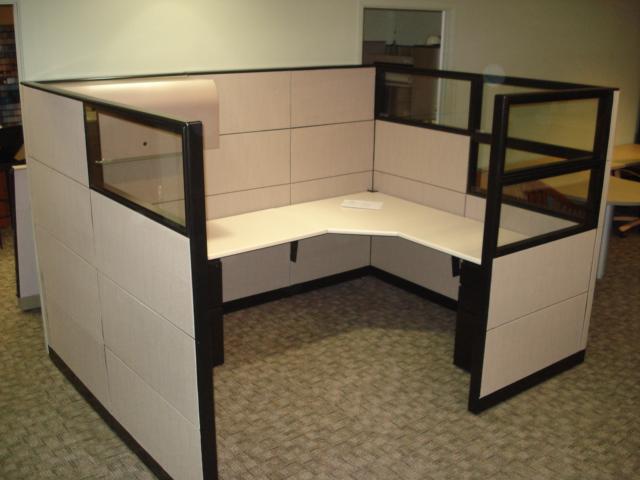
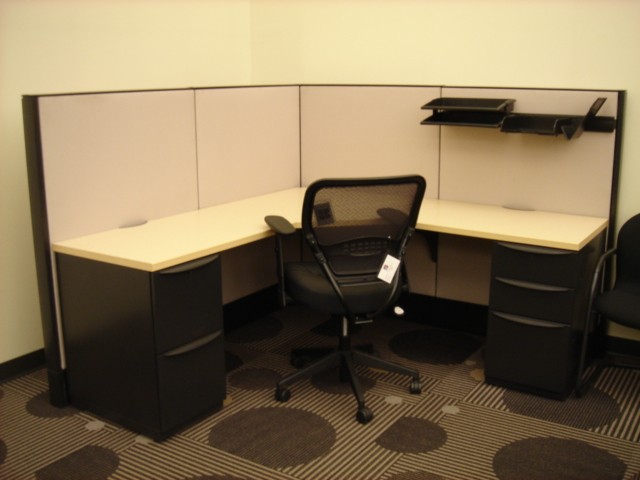
Rectilinear shapes are characterized by straight lines and right angles, forming geometric forms such as rectangles and squares. These shapes convey a sense of professionalism, order, and stability, making them highly suitable for corporate settings where a formal and organized atmosphere is desired.
Benefits of Rectilinear Shapes
- Professional Appearance: The clean, straight lines of rectilinear furniture create a polished and professional look that can enhance the company’s image.
- Efficient Use of Space: Rectangular desks and storage units can be easily arranged to maximize office space, allowing for efficient use of limited available area.
- Ease of Layout Planning: The simplicity of rectilinear shapes makes it easier to design and plan office layouts, ensuring that workspaces are functional and cohesive.
Examples:
- Desks: Traditional rectangular desks offer ample surface area for work and can be easily aligned with walls or other furniture pieces.
- Conference Tables: Rectangular conference tables provide a clear structure for meetings, promoting a sense of order and focus.
- Storage Units: Rectangular filing cabinets and bookcases are easy to align and stack, optimizing vertical and horizontal space in the office.
Curvilinear Shapes
Curvilinear shapes feature smooth, flowing lines and curves. These forms create a sense of movement and dynamism, which can make a workspace feel more relaxed and inviting. Curvilinear furniture is particularly well-suited for creative industries where an informal and innovative environment is encouraged.
Benefits of Curvilinear Shapes:
- Enhanced Creativity: The fluidity of curved lines can inspire creativity and out-of-the-box thinking, which is crucial in creative workspaces.
- Inviting Atmosphere: Curvilinear shapes tend to soften the harshness of rigid lines, making the office feel more welcoming and comfortable.
- Improved Flow: Furniture with curved edges can facilitate better movement and flow within the office, reducing the likelihood of collisions and creating a more open environment.
Examples:
- Reception Desks: A reception desk with a curved front can create an inviting entrance and set a welcoming tone for visitors.
- Lounge Seating: Curved lounge chairs and sofas encourage relaxation and informal interactions, which make them perfect for break areas or collaborative zones.
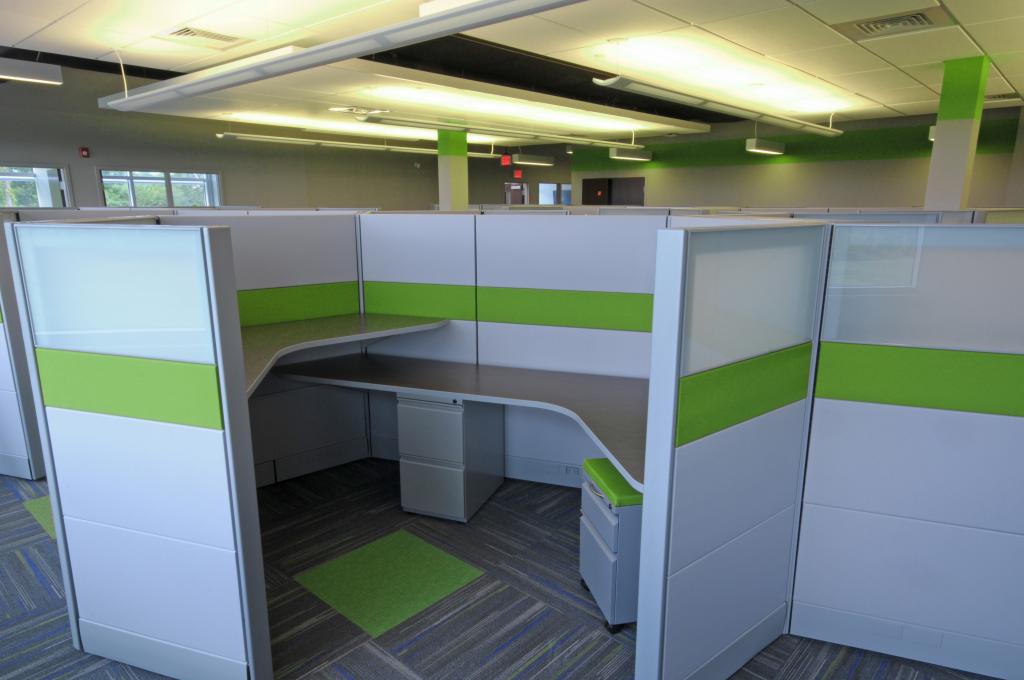
- Workstations: Desks with rounded corners can reduce the risk of injury and create a more aesthetically pleasing workspace.
Modular Furniture:
Modular furniture is designed to be flexible and adaptable, consisting of interchangeable pieces that can be configured in various ways to meet changing needs. This type of furniture is ideal for growing businesses that require scalability and versatility in their office design.
Benefits of Modular Furniture:
- Adaptability: Modular furniture can be easily reconfigured to accommodate different tasks, team sizes, and office layouts, providing a more dynamic and responsive workspace.
- Cost-Effective: Investing in modular furniture can be more economical in the long run, as it can be adapted and expanded rather than replaced as the business grows.
- Customization: Modular systems allow businesses to tailor their furniture arrangements to specific needs, ensuring that every piece serves a functional purpose.
Examples:
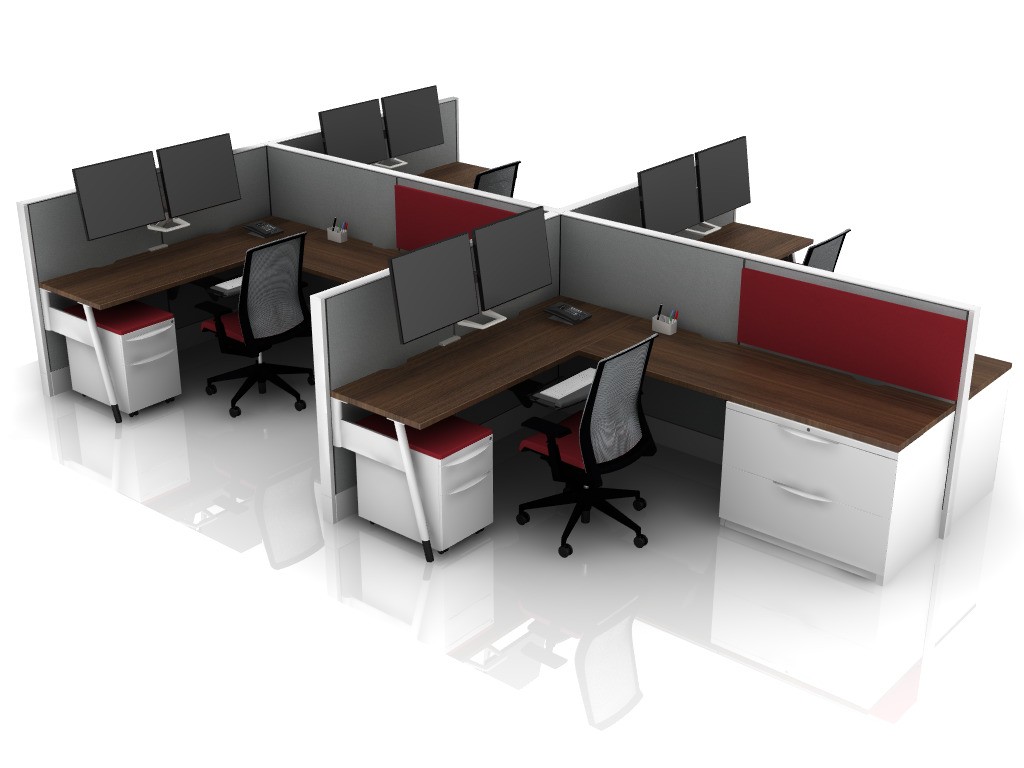
- Workstations: Modular workstations can be arranged into different configurations such as individual desks, clusters for team collaboration, or open benches for flexible seating.
- Storage Solutions: Modular storage units can be combined in various ways to create custom storage solutions that fit specific office needs, whether for files, supplies, or personal items.
- Seating: Modular seating systems can be rearranged to create different seating arrangements for meetings, lounges, or collaborative spaces, providing versatility in how spaces are used.
By understanding and utilizing these different shapes and forms, businesses can create office environments that are not only functional but also reflective of their culture and operational needs.
Color Tones
Research indicates that colors can significantly influence mood and productivity in the workplace. For instance, a study published in Color Research & Application found that blue tones can enhance focus and efficiency, while green promotes relaxation and creativity . Conversely, excessive use of bright colors like red can increase stress and agitation, suggesting a need for balanced color schemes
- Neutral Tones: Such as beige, white, and gray, can create a calm and professional atmosphere.
- Bright Colors: Like yellow and orange, can boost creativity and energy but should be used sparingly because excessively they can be overwhelming and distracting.
- Cool Colors: Such as blue and green, can promote concentration and a sense of calm.
Materials
The choice of materials affects both aesthetics and functionality:
- Wood: Can add warmth and a natural element to the office.
- Metal: Can convey a modern and industrial feel.
- Glass: Can make spaces feel larger and more open, fostering transparency.
- Fabrics: Can add warmth and comfort to the workspace, offering a wide range of textures and colors that enhance aesthetic appeal while providing functional benefits such as sound absorption.
- Composite Materials: Can combine durability with modern aesthetics, offering versatile design options that can improve both the visual appeal and longevity of office furniture.
- Recycled Materials: Support sustainability and reflect a commitment to environmental responsibility.
Budget Considerations
Budget is a major concern for many businesses, especially startups. Here’s how to manage it effectively:
- Prioritize Essentials: Start with the most critical pieces of furniture like desks, chairs, and storage.
- Invest in Quality: Higher-quality items may have a higher upfront cost but will save money in the long run due to their durability.
- Consider Used Furniture: Buying used office furniture can significantly reduce costs and is a sustainable option. High-quality used furniture often has a lot of life left and can be found in excellent condition.
Sustainability and Circular Economy
Using used office furniture is not just budget-friendly but also environmentally responsible:
- Sustainability: Reduces waste and the demand for new resources.
- Circular Economy: Supports the reuse and recycling of materials, contributing to a more sustainable economy.
- Corporate Responsibility: Demonstrates a commitment to environmental stewardship, which can enhance your company's reputation and appeal to eco-conscious clients and employees.
Creating a Positive Work Environment
The overall design and furnishing of the office should foster a positive work environment:
- Comfort: Comfortable seating and ergonomically designed furniture can improve employee well-being.
- Aesthetics: A visually appealing office can boost morale and make employees feel valued.
- Functionality: Ensure that the office setup supports technology integration and the tasks employees need to perform, with adequate storage and meeting spaces.
Conclusion
Furnishing a workspace requires careful consideration of various factors, from understanding your company's ethos to managing your budget and prioritizing sustainability. By thoughtfully selecting shapes, color tones, and materials, and by incorporating used office furniture where possible, you can create a workspace that enhances productivity, reflects your company's values, and supports a sustainable future. Taking the time to plan and make informed decisions will ensure that your office environment is both functional and inspiring. By following these guidelines, you can create a workspace that not only meets the practical needs of your business but also fosters a positive and productive work environment. This approach will help your company thrive and project an image that aligns with your corporate values and mission.
SUSTAINABILITY AT THE CORE
Find Used Office Furniture
Our dealer network partners with commercial clients and A+D firms to provide workplace solutions.